
On this page
- What HIV and AIDS are
- HIV: the virus
- AIDS: the most advanced stage
- From fatal to manageable
- How HIV is — and is not — transmitted
- How HIV is transmitted
- What does not transmit HIV
- HIV without symptoms: why testing matters
- The numbers: a global picture that is improving slowly
- The global figures
- Where the burden falls
- The 95-95-95 targets
- Prevention: what is known
- Condoms, testing and medicines
- Harm reduction, mothers and blood safety
- Stigma: the barrier that is not a virus
- What this page is, and when it goes out of date
- Frequently asked questions
Key points
- About 41.0 million people were living with HIV at the end of 2025, with about 1.2 million new infections and about 570,000 HIV-related deaths that year (WHO/UNAIDS).
- HIV attacks the immune system; AIDS is the most advanced stage of HIV infection, when the immune system is severely weakened.
- HIV is transmitted through body fluids — during sex without protection, by sharing needles, from mother to child, and through unscreened blood — not through casual contact.
- WHO notes that people living with HIV who are on effective treatment and have a suppressed viral load do not transmit the virus sexually.
- Prevention includes condoms, regular testing, harm reduction for people who inject drugs, and medicines taken before or after possible exposure as described by WHO.
Direct answer: HIV is a virus that attacks the body's immune system; AIDS is the most advanced stage of HIV infection. About 41.0 million people were living with HIV at the end of 2025, with about 1.2 million new infections and about 570,000 HIV-related deaths that year (WHO/UNAIDS). HIV is transmitted through specific body fluids — during sex without protection, by sharing needles, from mother to child, and through unscreened blood — and it is not spread by casual contact. With effective care through health services, people living with HIV can live long and healthy lives.
What HIV and AIDS are
HIV: the virus
HIV — human immunodeficiency virus — is a virus that attacks the immune system, the body’s defence against infection. It targets a type of white blood cell called CD4 cells, which coordinate the immune response. As the virus copies itself, the number of CD4 cells falls, and the immune system becomes progressively weaker. Without care, that weakening takes years, and the person becomes vulnerable to infections and cancers that a healthy immune system would usually control.
AIDS: the most advanced stage
AIDS — acquired immunodeficiency syndrome — is the most advanced stage of HIV infection. It is defined by a very low CD4 count or by the appearance of certain serious illnesses, known as opportunistic infections. The distinction matters because HIV and AIDS are not the same thing: a person can live with HIV for many years without developing AIDS, and effective care through health services can keep the virus suppressed and prevent the infection from reaching that stage.
From fatal to manageable
HIV has been known since the early 1980s. The global response has changed it from a disease that was almost always fatal within years into a long-term condition that can be managed — but only where testing and care are available. That “where” is still the central problem: the burden falls most heavily on sub-Saharan Africa, and on people who face stigma, discrimination or barriers to health services wherever they live.
How HIV is — and is not — transmitted
How HIV is transmitted
HIV is transmitted through specific body fluids: blood, semen, vaginal fluids, rectal fluids and breast milk. The main routes are sex without protection, sharing needles or syringes with a person who has HIV, transmission from a mother to her child during pregnancy, childbirth or breastfeeding, and transfusion of unscreened blood. Where blood supplies are screened and where mothers and babies receive care, those last two routes are now rare, but they remain a risk where health services are weak.
What does not transmit HIV
Just as important is what does not transmit HIV. It is not spread by shaking hands or hugging, by sharing food, drink or cutlery, by toilet seats or swimming pools, by mosquito bites, or by coughing and sneezing. HIV does not survive long outside the body, and everyday social contact is safe. This is not a minor point: fear of casual transmission has driven decades of stigma against people living with HIV, and the facts are the antidote. Our guides on stigma and on asking for help cover the human side of that story.
HIV without symptoms: why testing matters
A person can also have HIV without knowing it. Many people have no symptoms for years, and the only way to know is a test. WHO recommends that people who may have been exposed, and people in groups with higher risk, test regularly — because knowing one’s status is the starting point for both care and prevention.
The numbers: a global picture that is improving slowly
The global figures
About 41.0 million people were living with HIV at the end of 2025, according to WHO and UNAIDS figures. About 1.2 million people were newly infected in 2025, and about 570,000 people died of HIV-related causes that year. Those numbers are far lower than the peak of the epidemic — new infections have fallen by more than half since their highest point, and deaths have fallen by roughly two thirds — but they are still high, and progress has slowed in recent years.
Where the burden falls
The geography is uneven. About two thirds of people living with HIV are in the WHO African Region, and sub-Saharan Africa accounts for the majority of new infections. Within countries, the burden concentrates among people who are often pushed to the margins: sex workers, men who have sex with men, people who inject drugs, transgender people, and people in prisons. WHO calls these key populations, and notes that they and their partners accounted for more than half of new infections globally in recent years. Children are also affected: about 1.3 million children were living with HIV in 2025, most of them infected through their mothers, and children are far less likely than adults to receive care.
The 95-95-95 targets
The 95-95-95 targets — 95% of people living with HIV knowing their status, 95% of those on treatment, and 95% of those with a suppressed viral load — are the global yardstick for 2025. The world is close on the first two and further behind on the third, and the gaps are widest for children and for key populations.
Prevention: what is known
Condoms, testing and medicines
Prevention as described by WHO combines several approaches. Condoms, used correctly, remain one of the most effective ways of preventing sexual transmission. Regular testing matters because a person who knows they have HIV can get care — and WHO notes that people on effective treatment with a suppressed viral load do not transmit the virus sexually. For people who do not have HIV, medicines taken before a possible exposure, and medicines taken shortly after one, are prevention options that health services can explain; this page does not describe regimens, doses or who should take them, and anyone considering them should speak to a health professional.
Harm reduction, mothers and blood safety
For people who inject drugs, harm-reduction measures such as needle and syringe programmes reduce transmission. For mothers living with HIV, care during pregnancy, childbirth and breastfeeding can reduce transmission to the baby to a very low level. Blood safety — screening all donated blood — and safe medical injections are the system-level measures that protect everyone else. There is no vaccine against HIV, despite decades of research, which is why this combination of approaches is the prevention strategy.
Stigma: the barrier that is not a virus
One fact about HIV is as important as any number: stigma kills. Fear of being judged, of losing a job or a home, of being rejected by family, stops people from testing, from seeking care, and from telling partners. WHO and UNAIDS both describe stigma and discrimination as major barriers to ending AIDS as a public health threat. Laws that criminalise key populations make the problem worse by pushing people away from the health services that could help them.
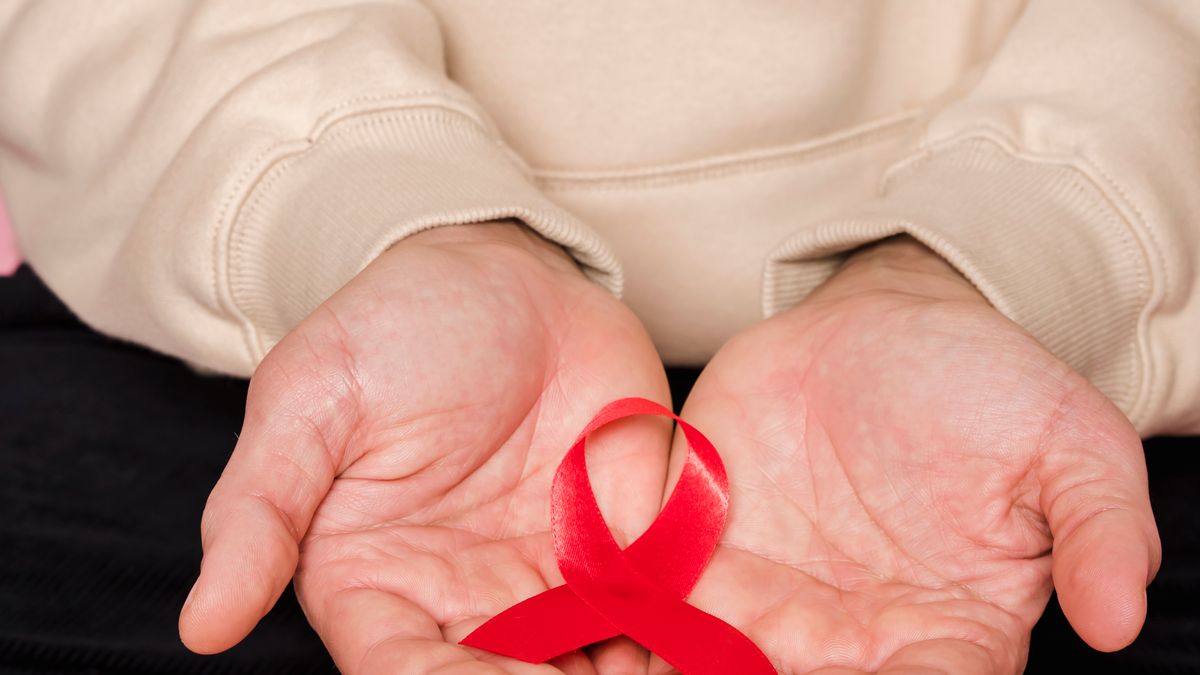
The response is partly medical — making testing easy, confidential and free where possible — and partly social. The red ribbon is the international symbol of solidarity with people living with HIV, and World AIDS Day, on 1 December each year, is one of the awareness days in our calendar guide. The language used about HIV matters too: describing people as “living with HIV” rather than as victims or carriers is a small choice that reflects a large one, about whether a person is defined by a virus.
What this page is, and when it goes out of date
This page is a plain-language awareness summary of the WHO HIV and AIDS fact sheet and the UNAIDS global statistics fact sheet, published 8 November 2026. Its figures are the end-2025 figures published by WHO and UNAIDS in 2026 (fact sheet published 27 July 2026). Both organisations publish new global figures each year, usually in the summer, so the numbers on this page will be superseded when the next release appears. The underlying facts — the virus, the routes of transmission, the distinction between HIV and AIDS — change slowly, but the numbers should be re-checked at the next review date. This page does not describe diagnosis or treatment; both are provided through health services, and the WHO fact sheet linked in Sources is the official reference. For the newest figures, the WHO and UNAIDS pages linked in Sources are the official sources.
Frequently asked questions
What is the difference between HIV and AIDS?
HIV is the virus. AIDS is the most advanced stage of HIV infection, when the immune system is severely weakened and the person becomes vulnerable to infections and cancers that a healthy immune system would usually control.
Can HIV be spread by casual contact?
No. HIV is not spread by shaking hands, hugging, sharing food or drink, toilet seats, mosquito bites, or coughing and sneezing. It is transmitted through specific body fluids — blood, semen, vaginal fluids, rectal fluids and breast milk.
Can people living with HIV live long, healthy lives?
Yes. With effective care through health services, people living with HIV can live long and healthy lives. WHO notes that people on effective treatment with a suppressed viral load do not transmit the virus sexually.
How can HIV be prevented?
Prevention as described by WHO includes condoms, regular testing, not sharing needles, and medicines taken before or after a possible exposure. Testing is the starting point: a person who knows their status can get care, and a person who does not have HIV can learn about prevention options.