
Guide hub
Diseases and outbreaks — what is happening, and what it means
Outbreaks and diseases in plain language — what is happening, what it means, and where the official figures sit.
Published 7 November 2026 · Last reviewed 7 November 2026 · Next review 7 May 2027
Direct answer: Outbreaks and diseases, in plain language: what is happening now, how each disease spreads, and what the official sources say. Every entry is a dated snapshot — figures move, and the official source linked under each entry is the current record.

Chapter 1
Outbreaks happening now
No new pandemic has been declared, but two public health emergencies are active — poliovirus and Ebola disease caused by Bundibugyo virus — and several large outbreaks are running.
The guides give dated snapshots
The guides give dated snapshots, never a live count: Pandemics happening now, Ebola (Bundibugyo) outbreak, Cholera: why it keeps coming back, Dengue and chikungunya in Europe, Measles is back: why it matters, Mpox after the emergency ended, Bird flu (H5N1): the real risk and Why outbreaks happen. See the Outbreak Snapshots Directory for the hand-checked entries.
Three new guides add the detail. What is a public health emergency (PHEIC)? explains the declaration itself — the nine emergencies since 2009 and the two still active. Measles 2026: cases and elimination status gives the dated US count and the PAHO review due 10–13 November 2026. Ebola Bundibugyo 2026: outbreak and vaccines covers the Tumaini trial and the conflicting death tolls, dated.
Directory
All guides and tools in this hub
Every guide and tool in this hub, in one filterable list.
Outbreak Snapshots Directory
A directory of hand-checked outbreak entries, each with its source and date.
Scabies and leprosy awareness
Two skin conditions that affect whole communities: scabies in crowded settings and leprosy, a neglected tropical disease, in plain language.
Published 6 November 2026 · Last reviewed 7 November 2026 · Next review 7 May 2027

Bird flu (H5N1): the real risk
Bird flu H5N1 has spread in animals to all seven continents, but human cases are rare and the risk to the general public is low. What the risk really is, from the joint FAO/WHO/WOAH assessment.
Published 6 November 2026 · Last reviewed 7 November 2026 · Next review 7 May 2027

Cholera: why it keeps coming back
Cholera killed more people in 2025 than in any year since 1999. Why it keeps returning, who it hits hardest, and how it is prevented, from WHO sources.
Published 6 November 2026 · Last reviewed 7 November 2026 · Next review 7 May 2027

Dengue and chikungunya in Europe
Dengue and chikungunya are mosquito-borne diseases that now spread locally in Europe too. The 2026 picture, why the mosquitoes are spreading, and how to avoid bites.
Published 6 November 2026 · Last reviewed 7 November 2026 · Next review 7 May 2027
Ebola (Bundibugyo) outbreak
Ebola disease caused by Bundibugyo virus is a public health emergency, centred on the Democratic Republic of the Congo. What is known, and how to stay safe, as of 1 November 2026.
Published 6 November 2026 · Last reviewed 7 November 2026 · Next review 7 May 2027
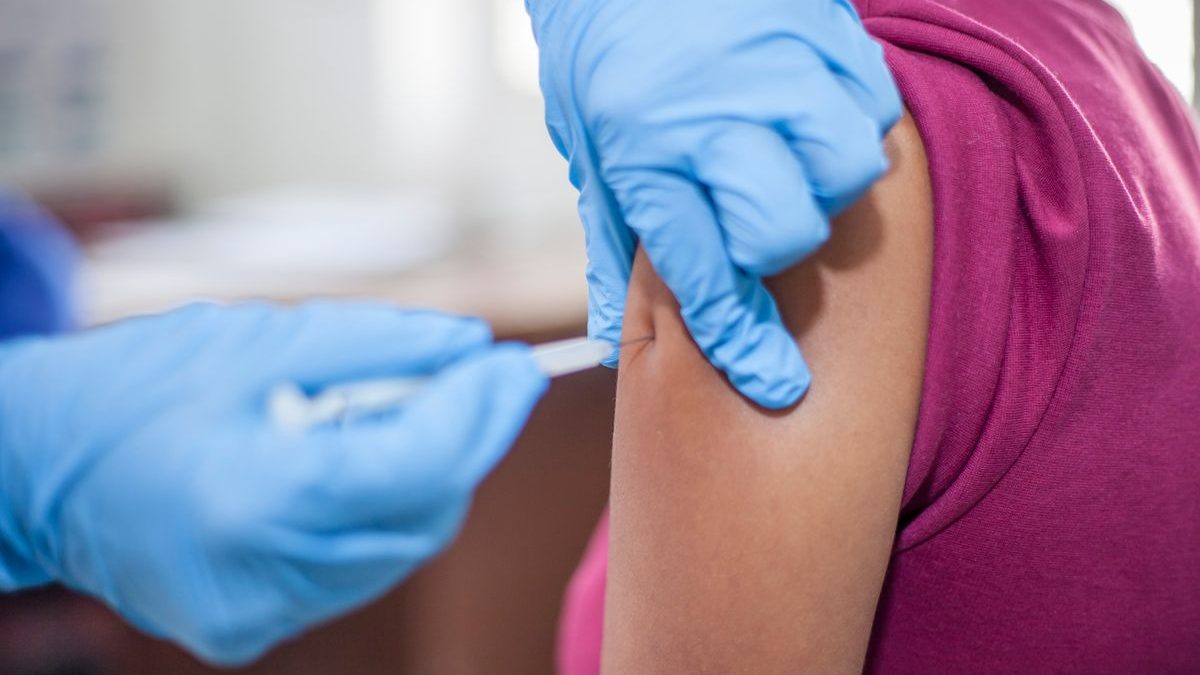
Measles, HPV, flu, COVID-19, hepatitis B
Five diseases, one idea: what vaccination prevents. Measles, HPV and cervical cancer, flu, COVID-19 and hepatitis B — what WHO and CDC say, dated and sourced.
Published 6 November 2026 · Last reviewed 7 November 2026 · Next review 7 May 2027

Measles is back: why it matters
Measles is resurging worldwide because vaccination coverage is below the 95% needed to stop it. The US and global figures, kept strictly separate, and how vaccination protects communities.
Published 6 November 2026 · Last reviewed 7 November 2026 · Next review 14 November 2026
Mpox after the emergency ended
Mpox is no longer a public health emergency, but the outbreak continues and WHO standing recommendations now run to August 2027, not August 2026. What changed.
Published 6 November 2026 · Last reviewed 7 November 2026 · Next review 7 May 2027

Pandemics happening now
No new pandemic has been declared, but two emergencies are active and several outbreaks are running. A plain-language snapshot of what is going on, dated 7 November 2026.
Published 6 November 2026 · Last reviewed 7 November 2026 · Next review 14 November 2026
What is a public health emergency (PHEIC)?
A PHEIC is the strongest formal alert the WHO can make under the International Health Regulations. Who declares it, what happens next, and the nine emergencies declared since 2009 — two of them still active.
Published 6 November 2026 · Last reviewed 7 November 2026 · Next review 7 May 2027

Why outbreaks happen
Outbreaks are not random. Conflict, displacement, unsafe water, climate, travel and vaccine gaps are the drivers official sources name — each with its evidence.
Published 6 November 2026 · Last reviewed 7 November 2026 · Next review 7 May 2027
More hubs
Explore other themes
Mental Health and Wellbeing
Mental health in plain language — understanding, support routes, and tackling stigma.
Vaccines
Vaccines in plain language — how they work, the schedules, and the official sources.
Awareness and Attitudes
Stigma, health literacy, skin health and awareness days.
Systems Explained
How housing, education, income, water and services shape health across a population.
Sources
Sources
Questions
Frequently asked questions
Where do I start with outbreaks happening now?
Start with Pandemics happening now — the dated snapshot of the outbreaks under way — then read the guide for the disease itself.
What is a public health emergency of international concern (PHEIC)?
See What is a public health emergency (PHEIC)? — what the declaration means, and what it does not mean.
Are the figures on these pages live?
No. Each guide is a dated snapshot; the official source linked under each figure is the current record.