
On this page
- What malaria is
- The parasite and the mosquito
- Signs and severe disease
- How malaria spreads
- The mosquito’s two-step journey
- Where malaria is found
- Other, rarer routes
- The numbers: who malaria hits
- The 2024 figures
- Where the burden falls
- Progress since 2000
- Prevention: what is known
- Bed nets and indoor spraying
- Preventive care for children and pregnant women
- Malaria vaccines
- Water, housing and travellers
- What this page is, and when it goes out of date
- Frequently asked questions
Key points
- Malaria caused an estimated 282 million cases and about 610,000 deaths in 2024 (WHO World Malaria Report 2025).
- Malaria is caused by Plasmodium parasites, carried to people by the bites of infected female Anopheles mosquitoes.
- About 95% of cases and deaths are in the WHO African Region, and children under five account for about three quarters of malaria deaths there.
- Prevention as described by WHO includes insecticide-treated bed nets, indoor spraying, preventive care for children and pregnant women, and malaria vaccines.
- Malaria is not spread from person to person like a cold; the mosquito is the carrier, so controlling mosquitoes and protecting sleep are central.
Direct answer: Malaria is a disease caused by Plasmodium parasites, carried to people by the bites of infected female Anopheles mosquitoes. It caused an estimated 282 million cases and about 610,000 deaths in 2024 (WHO World Malaria Report 2025). About 95% of cases and deaths are in the WHO African Region, and children under five account for about three quarters of malaria deaths there. Prevention as described by WHO includes insecticide-treated bed nets, indoor spraying, preventive care for children and pregnant women, and malaria vaccines.
What malaria is
Malaria is an ancient disease — it has shaped human history, settlement and even human genetics — and it is also a disease of the present. Despite decades of control, it still kills more than half a million people a year, almost all of them in places where health services are thin and mosquitoes are many.
The parasite and the mosquito
Malaria is caused by parasites of the genus Plasmodium, of which five species infect people; Plasmodium falciparum is the deadliest and the most common in Africa, while Plasmodium vivax is the most common outside Africa. The parasite lives part of its life in the mosquito and part in the human body, where it infects red blood cells. That cycle is what makes malaria a mosquito disease rather than a contagious one: a person cannot catch malaria from another person by touch, coughing or sharing food. The mosquito is the necessary carrier.
Signs and severe disease
The common early signs, as WHO lists them, are fever, headache and chills, usually appearing 10–15 days after an infective mosquito bite. In its severe form, malaria can affect the brain, lungs and kidneys and cause severe anaemia — and it can kill, especially in young children, if care is delayed. These signs have many possible causes, and only a health worker with a test can confirm malaria. This page does not describe diagnosis or treatment; both are provided through health services, and the WHO fact sheet linked in Sources is the official reference.
How malaria spreads
The mosquito’s two-step journey
The spread of malaria is a two-step journey. A female Anopheles mosquito bites a person who has malaria parasites in their blood, and the mosquito picks the parasites up. Inside the mosquito, the parasites develop over about 10–18 days. When the mosquito then bites another person, the parasites pass into that person’s blood, travel to the liver, multiply, and then infect red blood cells. Only female mosquitoes bite, and only Anopheles mosquitoes carry malaria — the mosquitoes that spread dengue or yellow fever are different species.
Where malaria is found
That biology explains where malaria is found. Anopheles mosquitoes breed in standing water and are most active between dusk and dawn, which is why sleeping under a treated net matters so much. Malaria is concentrated in tropical and subtropical regions, above all sub-Saharan Africa, and in parts of South-East Asia, the Eastern Mediterranean and the Americas. It is also a disease that follows rain and warmth: wet seasons bring more mosquitoes, and changes in rainfall and temperature shift where malaria can spread. WHO notes that climate variability is one of the factors that can increase malaria transmission, alongside conflict, displacement and the weakening of control programmes.
Other, rarer routes
Malaria can also be passed on, rarely, through blood transfusion or shared needles, and from a mother to her baby — but the mosquito bite is the route that matters at population level, and it is the route that prevention targets.
The numbers: who malaria hits
The 2024 figures
Malaria caused an estimated 282 million cases and about 610,000 deaths in 2024, according to the WHO World Malaria Report 2025. That is more cases than the year before — an increase of about 9 million — and the death toll has stayed stubbornly near 600,000 a year since 2020, when progress stalled during the COVID-19 pandemic.
Where the burden falls
The geography is stark. About 95% of cases and about 95% of deaths are in the WHO African Region. Four countries — Nigeria, the Democratic Republic of the Congo, Uganda and Mozambique — account for nearly half of all cases worldwide. Children under five are the most vulnerable group: in the African Region they account for about 76% of malaria deaths. Pregnant women are the other high-risk group; malaria in pregnancy raises the risk of anaemia, stillbirth, premature birth and low birth weight.
Progress since 2000
There is also good news in the numbers, and it should not be lost. Since 2000, the global malaria death rate has fallen by more than half, and more than 40 countries and one territory have been certified malaria-free by WHO, including, in recent years, countries as different as China, El Salvador and Azerbaijan. The disease is beatable where control is sustained. The problem is that control is not sustained everywhere, and where it slips, malaria returns quickly.
Prevention: what is known
Bed nets and indoor spraying
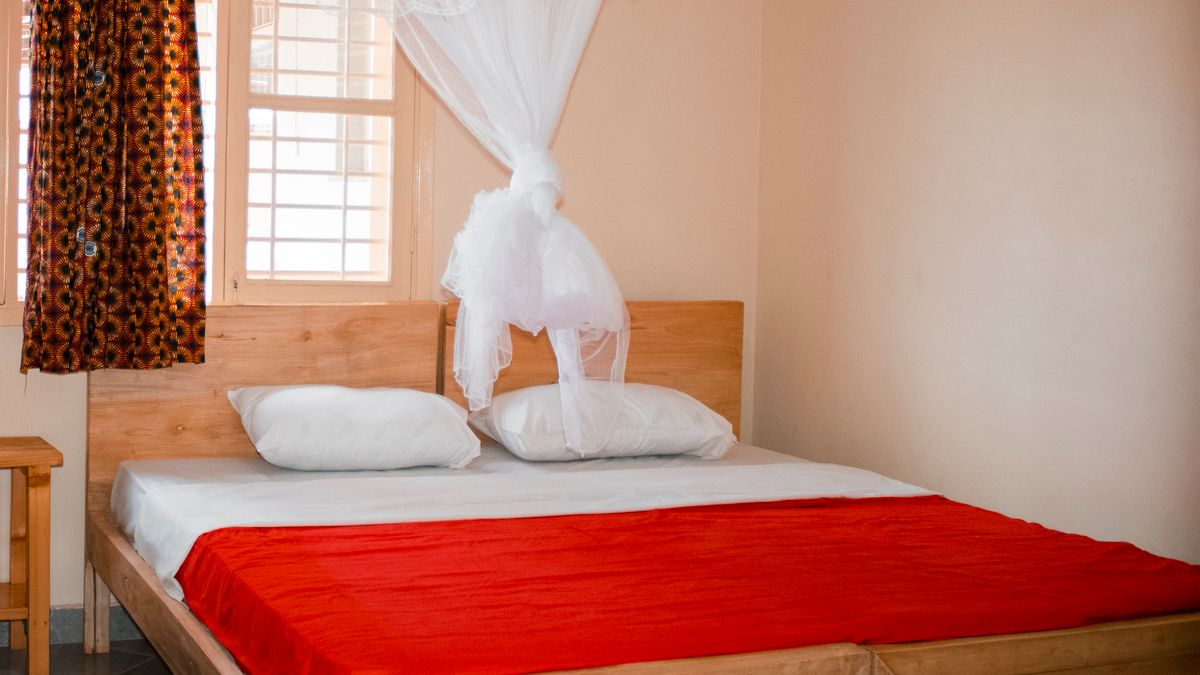
Prevention as described by WHO is a package, not a single measure. Sleeping under an insecticide-treated bed net is the most widely used protection: the net is both a physical barrier and, because it is treated with insecticide, a way of killing mosquitoes that land on it. Indoor residual spraying — coating the inside walls of houses with insecticide — is used in many settings alongside nets. Both depend on coverage: a net protects a household, but nets protect a community when most households use them.
Preventive care for children and pregnant women
For children and pregnant women, WHO describes preventive care given at defined times — seasonal preventive treatment for young children in areas with a short rainy season, and preventive treatment during pregnancy — as part of the package. These are delivered through health services, and this page does not describe doses or schedules.
Malaria vaccines
The newest part of the package is vaccination. Two malaria vaccines, RTS,S and R21, are recommended by WHO for children living in areas with moderate to high malaria transmission. Both are given in several doses through childhood vaccination services, and both are meant to be used alongside bed nets and other measures, not instead of them. Our guides on child immunisation and on how vaccines work explain the official information behind childhood vaccination in general.
Water, housing and travellers
Beyond the household, prevention is also about water and housing: removing standing water where mosquitoes breed, improving housing so mosquitoes cannot enter, and keeping control programmes running through wars, funding cuts and epidemics. Travellers to malaria areas are a separate audience — our travel vaccinations guide covers the general picture, and the official advice is to seek travel health information from health services before travelling.
What this page is, and when it goes out of date
This page is a plain-language awareness summary of the WHO malaria fact sheet, published 8 November 2026. Its figures are the 2024 estimates from the WHO World Malaria Report 2025 (fact sheet published 4 December 2025). WHO publishes a new World Malaria Report each year, usually in December, so the case and death numbers on this page will be superseded when the next report appears. The underlying facts — the parasite, the mosquito, the groups most at risk — change slowly, but the numbers should be re-checked at the next review date. For the newest figures, the WHO fact sheet linked in Sources is the official source.
Frequently asked questions
How do people catch malaria?
Through the bite of an infected female Anopheles mosquito. The mosquito picks up the malaria parasite when it bites a person who has malaria, and passes it on when it bites someone else. Malaria is not spread from person to person by touch or coughing.
Who is most at risk from malaria?
Children under five and pregnant women, above all in sub-Saharan Africa. About 95% of cases and deaths are in the WHO African Region, and children under five account for about three quarters of the deaths there.
What are the signs of malaria?
WHO lists fever, headache and chills among the common early signs, usually appearing 10–15 days after an infective bite. These signs have many causes, and only a health worker with a test can confirm malaria — this page does not describe diagnosis.
Is there a vaccine against malaria?
Yes — two malaria vaccines, RTS,S and R21, are recommended by WHO for children in areas with moderate to high transmission, as part of a package that also includes bed nets and other prevention. Neither vaccine replaces the other measures.