
On this page
- What drowning is
- Who is most at risk: age and sex
- Children and young people
- Men and boys
- Poverty, work and daily exposure
- Floods, heat and travel on water
- Floods
- Heatwaves
- Water travel
- Displacement and migration
- What prevents drowning
- The investment case
- What this page is, and when it goes out of date
- Frequently asked questions
Key points
- There are around 300,000 drowning deaths worldwide each year, and drowning disproportionately impacts children and young people (WHO).
- Children aged under 5 account for nearly a quarter of all drowning deaths; drowning is the fourth leading cause of death for children aged 1–4 and the third for children aged 5–14 (WHO).
- 92% of drowning deaths occur in low- and middle-income countries, where drowning death rates are more than three times higher than in high-income countries (WHO).
- Prevention works: controlling access to water hazards, supervised childcare for pre-school children, and teaching school-age children swimming, water safety and safe rescue skills (WHO).
- Scaling up just two interventions — day-care for pre-school children and basic swim skills — could prevent 774,000 child drownings by 2050, WHO's investment case estimates.
Direct answer: There are around 300,000 drowning deaths worldwide each year, and drowning disproportionately impacts children and young people: children aged under 5 account for nearly a quarter of all drowning deaths, and drowning is the fourth leading cause of death for children aged 1–4 and the third for children aged 5–14 (WHO). It is also largely preventable — WHO lists proven measures from fencing pools and covering wells to supervised childcare and teaching children to swim — yet 92% of deaths occur in low- and middle-income countries. This page is awareness only and gives no personal safety advice.
What drowning is
WHO defines drowning as the process of experiencing respiratory impairment from submersion or immersion in liquid. Outcomes are classified as death, morbidity and no morbidity — meaning that drowning is not only about deaths: non-fatal drowning can leave severe, life-limiting injuries, and WHO’s investment case counts 178,000 children who would avoid such injuries by 2050 if two key interventions were scaled up. The global burden impacts all economies and regions, but it is uneven in ways that matter for prevention: drowning death rates are more than three times higher in low- and middle-income countries than in high-income countries, and over half of the world’s drowning occurs in the WHO Western Pacific Region and the WHO South-East Asia Region. Since 2000 the global drowning death rate has fallen by 38%, from 6.1 to 3.8 per 100,000 population. Despite this progress, WHO describes drowning deaths as a preventable public health crisis, and says the declines of the past two decades fall short of what is needed to meet the many Sustainable Development Goals to which drowning prevention contributes.
Who is most at risk: age and sex
Children and young people
Young children are at particularly high risk of drowning due to an underdeveloped ability to assess risk and a lack of swimming and water safety skills, and the risk increases when children interact with water outside active adult supervision. Children and young adults aged 0–29 account for over half — 57% — of all drowning deaths, and the highest drowning rates per population are among children aged 0–4. At regional level, drowning rates among children aged 0–4 are highest in the WHO Eastern Mediterranean Region, at 16.8 deaths per 100,000 population, and in the WHO Western Pacific Region children aged 5–14 die more frequently from drowning than from any other cause.
Men and boys
The drowning death rate among males is more than twice as high as among females, and males are also more likely to be hospitalised than females for non-fatal drowning. WHO notes that studies suggest the higher rates among males are due to increased exposure to water and riskier behaviour such as swimming alone, drinking alcohol before swimming and boating. The alcohol link is covered in more detail on this site’s alcohol guide; the point here is that drowning risk is not spread evenly across ages or sexes, and prevention aimed at young children and at the behaviours around water reaches most of the burden.
Poverty, work and daily exposure
Drowning disproportionately affects poor and marginalised people. Whether it is through the use of ponds, rivers or lakes for bathing and washing clothing, or using open wells for collecting water, the pattern of daily exposure in low- and middle-income countries brings a higher risk of drowning. That is the crucial difference from the way drowning is often pictured in high-income countries, where the image is a swimming pool or a beach holiday: for much of the world, water is where daily life happens — bathing, washing, collecting water, fishing, commuting — and the risk is built into ordinary days rather than leisure. Occupational exposure adds to it: individuals with occupations such as commercial or subsistence fishing face a substantially higher risk, and the United Nations Food and Agriculture Organization estimates that more than 32,000 fishers die while working every year. Climate change has aggravated the hazardous conditions under which most fishers work, as extreme weather and natural disasters become more prevalent and destructive.
Floods, heat and travel on water
A warming climate is bringing more floods and heatwaves, and both push drowning risk up. The site’s guides on what causes climate change and on climate and health at COP31 cover floods and extreme weather in more detail; this page stays with the drowning risk they carry.
Floods
In flood disasters, three-quarters of the deaths — 75% — are drownings, and the danger is greatest in low- and middle-income countries, where warnings arrive late or not at all and flood defences are thin.
Heatwaves
Heatwaves add risk in a different way: hotter weather sends more people to the water to cool off, and they tend to stay in and on it for longer.
Water travel
Water travel is another danger, above all in bad weather or without proper safety gear. In many low- and middle-income countries, boats and ferries are far less regulated than in high-income ones: daily commuting often means crowded, unsafe vessels, crewed by people with no training in spotting dangerous conditions or navigating at sea.
Displacement and migration
Growing numbers of people are also being displaced or migrating because of conflict, political or economic instability and climate change, and many take irregular routes that are extremely dangerous, including long crossings in treacherous conditions, often in overcrowded, unsafe vessels without safety equipment or trained crew.
What prevents drowning
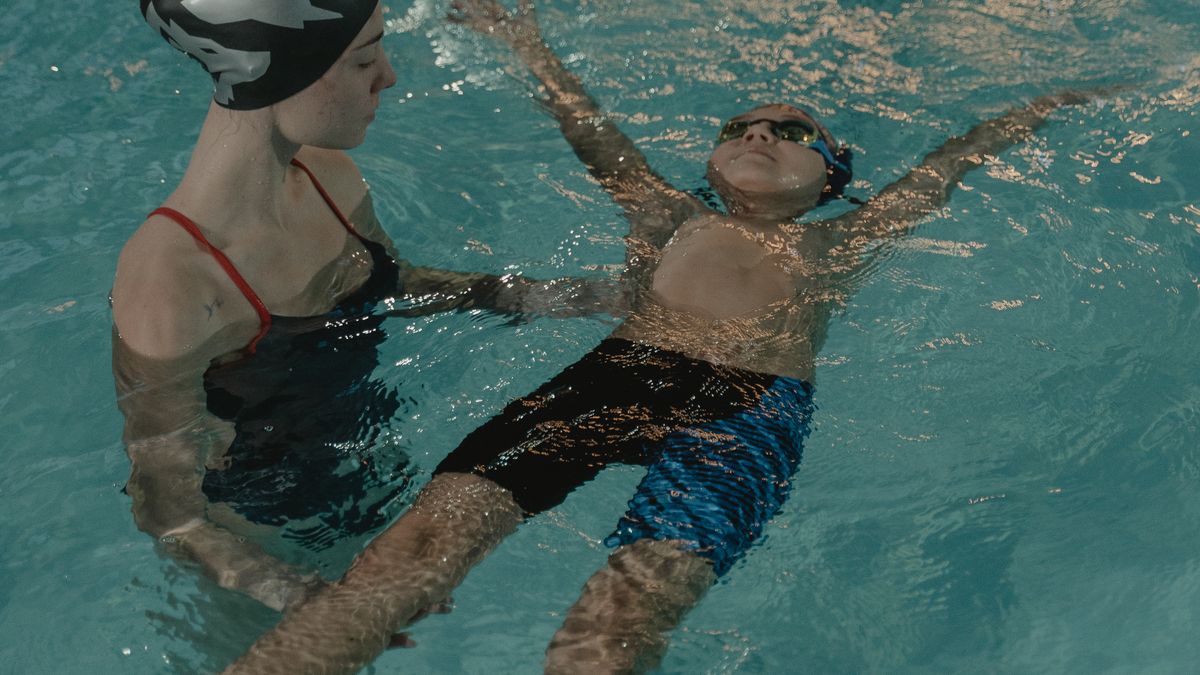
There are many actions to prevent drowning, WHO states, and they start with keeping people — above all small children — away from water hazards. Covering wells, using doorway barriers and playpens, fencing swimming pools and otherwise controlling access to water hazards greatly reduces water hazard exposure and risk. Community-based, supervised childcare for pre-school children can reduce drowning risk and has other proven health benefits. Teaching school-age children basic swimming, water safety and safe rescue skills is another approach — but these efforts must be undertaken with an emphasis on safety, including a safety-tested curriculum, a safe training area, screening and student selection, and student-instructor ratios established for safety. Effective policies and legislation matter too: setting and enforcing safe boating, shipping and ferry regulations is vital to improving safety on the water and preventing drowning. Building resilience to flooding and managing flood risks through better disaster preparedness planning, land-use planning and early warning systems can prevent drowning during flood disasters. And developing a national water safety strategy can provide strategic direction and a framework to guide multisectoral action and allow for monitoring and evaluation of efforts.
The investment case
A WHO investment case modelling investment in drowning prevention between now and 2050 shows scaling up just two interventions to be cost-saving. Through investing in day-care programmes for pre-school children and teaching children basic swim skills, 774,000 fewer children would drown between now and 2050, and a further 178,000 children would avoid severe, life-limiting injuries due to non-fatal drowning over the same period. Scaling these two interventions is projected to result in savings of over US$ 400 billion — a return of nine times the value of the cost of scaling up the interventions. The case matters because drowning prevention has long been overlooked relative to its burden: it is, in WHO’s words, an urgent and often overlooked global health issue. The political recognition has grown — in April 2021 the United Nations General Assembly adopted the first-ever Resolution on drowning prevention, which highlighted links to sustainable development, social equity, urban health, climate change, disaster risk reduction and child health and well-being, called on WHO to coordinate multisectoral drowning prevention efforts within the UN system, and announced 25 July as World Drowning Prevention Day. In May 2023 the Seventy-sixth World Health Assembly adopted a Resolution to accelerate further action through 2029, through which WHO committed to establishing a Global Alliance for Drowning Prevention and to preparing a global status report on drowning prevention.
What this page is, and when it goes out of date
This page is a plain-language paraphrase of the WHO drowning fact sheet (published 1 May 2026), with links to it and to the WHO drowning health-topic page in Sources. It is awareness only: it explains who is at risk and the prevention measures WHO lists, and gives no personal safety advice. Its figures are WHO’s as published in May 2026, including the global status report on drowning prevention; the next global status report will update them, and the page should be re-checked against the WHO fact sheet at its next review. For the newest figures, the WHO pages linked in Sources are the official sources.
Frequently asked questions
How many people drown each year?
Around 300,000 drowning deaths worldwide each year, WHO reports. Children and young people are disproportionately affected: children aged under 5 account for nearly a quarter of all drowning deaths.
What is drowning, exactly?
WHO defines drowning as the process of experiencing respiratory impairment from submersion or immersion in liquid. Outcomes are classified as death, morbidity and no morbidity.
What prevents drowning?
WHO lists controlling access to water hazards such as fencing pools, covering wells and using doorway barriers; community-based supervised childcare for pre-school children; and teaching school-age children basic swimming, water safety and safe rescue skills — plus safe boating rules and flood resilience.
Is drowning getting better or worse?
Better, but not fast enough: the global drowning death rate has fallen by 38% since 2000, from 6.1 to 3.8 per 100,000, yet WHO says the declines fall short of what is needed to meet the Sustainable Development Goals drowning prevention contributes to.