
On this page
- What household air pollution is
- The fuels and the smoke
- Cooking, heating and lighting
- The scale
- Who is exposed, and why
- Poverty and place
- Women and children
- Sub-Saharan Africa
- South Asia and Latin America
- What counts as clean
- What governments are doing to widen access
- Five directions that work
- Regional implications
- WHO’s role
- The trajectory to 2030
- The link to outdoor air
- What this page does not do
- Frequently asked questions
Key points
- Around 2.1 billion people cook with solid fuels and kerosene on open fires and inefficient stoves, and household air pollution was responsible for an estimated 2.9 million premature deaths in 2021 (WHO).
- The smoke comes from cooking, heating and lighting with polluting fuels in and around the home, and it falls hardest on poorer households, rural households, women and children.
- WHO's guideline for indoor air quality sets out what counts as clean at the point of use, discouraging kerosene and recommending against unprocessed coal.
- Without strong policy action, nearly 1.8 billion people will still be without clean cooking solutions in 2030, and 923 million people in sub-Saharan Africa lacked access in 2022.
Direct answer: Household air pollution is the smoke and fumes from cooking, heating and lighting with solid fuels and kerosene inside the home. Around 2.1 billion people still cook this way, mostly in poorer households in low- and middle-income countries, and the pollution was responsible for an estimated 2.9 million premature deaths in 2021.
Reviewer: Dr. Osman Qazi — sign-off pending.
What household air pollution is
The fuels and the smoke
Household air pollution is a mix of health-damaging pollutants released inside and around the home when fuels burn inefficiently. The fuels are solid fuels — wood, crop waste, charcoal, coal and animal dung — and kerosene, burned on open fires and in inefficient stoves. The pollution is not one substance: it is the smoke, soot and gases that come from incomplete combustion, and in poorly ventilated homes the level of fine particles indoors can run far above acceptable levels.
Cooking, heating and lighting
Three uses produce it, and WHO’s guidance says all three have to be addressed together: cooking, heating and lighting. A household that cooks cleanly but still heats and lights with polluting fuels is still exposed, which is why the clean-fuel question is about the whole home, not the stove alone.
The scale
The scale is what makes it a public-health story rather than a household one. Around 2.1 billion people worldwide — around a quarter of the global population — cook using open fires or inefficient stoves fuelled by kerosene, biomass and coal. Household air pollution was responsible for an estimated 2.9 million premature deaths in 2021, including over 309,000 deaths of children under the age of 5, and around 95 million disability-adjusted life years were attributable to it in the same year (WHO). Those are population totals, not a breakdown by illness: this page does not reproduce the disease-share table, which is clinical detail outside its scope.
Who is exposed, and why
Poverty and place
Exposure follows poverty, and it follows the map. The people who cook with solid fuels and kerosene are concentrated among poorer people in low- and middle-income countries, and within countries the gap runs between town and country: access to cleaner cooking is far lower in rural areas than in urban ones. The pattern is not an accident of taste. Cleaner fuels cost money, need supply chains and need stoves that households can buy and maintain, and where those are missing, the open fire remains the only option.
Women and children
Within the household, exposure follows who spends time near the fire. Women and children carry the greatest exposure, because cooking is most often their work and because small children stay close to the person cooking. The burden is also a time burden: gathering fuel, preparing it and cooking on an inefficient device all take hours that could go to school, paid work or rest, and the gathering itself is usually women’s work.
Sub-Saharan Africa
The regional picture is sharpest in sub-Saharan Africa, where the access gap is worst. Population growth there has outpaced access to clean cooking, and 923 million people in the region lacked access in 2022 (WHO). That figure is the reason the region appears in almost every paragraph of WHO’s material on the subject: it is where the most people are exposed and where the gap is growing fastest.
South Asia and Latin America
The same story, at a smaller scale, repeats across South Asia and in parts of Latin America, and it reaches the world’s most populous countries directly. India and China both have large populations still cooking with solid fuels, which is why the worldwide emphasis of this site — India, China, Russia and other highly populated countries — puts household air pollution near the top of the list of topics that matter at population level.
What counts as clean
WHO’s answer to the clean question is a guideline document, the Guidelines for indoor air quality: household fuel combustion, and its logic is simple: a fuel or technology counts as clean if it meets emission-rate targets at the point of use — that is, where the person actually cooks, heats and lights, not in a laboratory.
The fuels that meet the test are liquefied petroleum gas, natural gas, biogas, electricity and alcohol fuels, along with biomass stoves that meet the emission targets in the guidelines. The guidance discourages kerosene and recommends against unprocessed coal. The point of naming fuels rather than brands is that the test is about what comes out of the burner, not who sells it: any stove or fuel that meets the emission targets counts, and any that does not fails, whatever its label says.
That distinction matters because the market is full of stoves described as improved or efficient that do not meet the targets. A stove that burns less wood is better than an open fire, but “better” and “clean” are different words in the guideline, and only the second one is the standard.
What governments are doing to widen access
WHO’s 2025 synthesis of country findings, built from its Household Energy Assessment Rapid Tool (HEART), looks at nine countries — Ethiopia, Ghana, India, Kenya, Nepal, Rwanda, Panama, Honduras and Burkina Faso — and draws out the directions that work. The synthesis is a policy document, and its recommendations read as directions for governments rather than advice for households.
Five directions that work
First, governance and coordination: clean cooking sits across energy, health, environment and finance ministries, and the countries that make progress are the ones that give one body the job of joining those ministries up. Second, access, affordability and financial targeting: cleaner technologies have to be affordable to the households that need them most, which means subsidies and financing aimed at the poorest rather than spread thinly. Third, energy infrastructure and markets for cooking: fuels need supply chains that reach rural areas reliably, and stoves need markets that keep them maintained rather than sold once and abandoned. Fourth, health, communication and evidence: the health case has to be made in public, with the burden figures in front of decision-makers. Fifth, equity and inclusion: the people most exposed — rural households, women, the poorest — have to be the first served, not the last.
Regional implications
The regional implications differ. In sub-Saharan Africa the priority is the sheer scale of the gap and the pace of population growth. In South Asia it is the size of the exposed population in the world’s most populous countries. In Latin America it is reaching the households that the grid and the gas network have not reached. The synthesis gives each region its own implications rather than one set of recommendations for all.
WHO’s role
WHO’s own role, described in its response section, is technical support and capacity building to countries and regions, the guidelines themselves, the Clean Household Energy Solutions Toolkit (CHEST), and custodian reporting on the clean-fuels SDG indicator — the official count of who has access to clean fuels and technologies, which is how progress is measured.
The trajectory to 2030
The trajectory without stronger action is stated plainly on the fact sheet: only 78% of the global population is expected to have access to clean cooking by 2030, which would leave nearly 1.8 billion people still without clean cooking solutions. That is the number the policy directions are trying to move.
The link to outdoor air
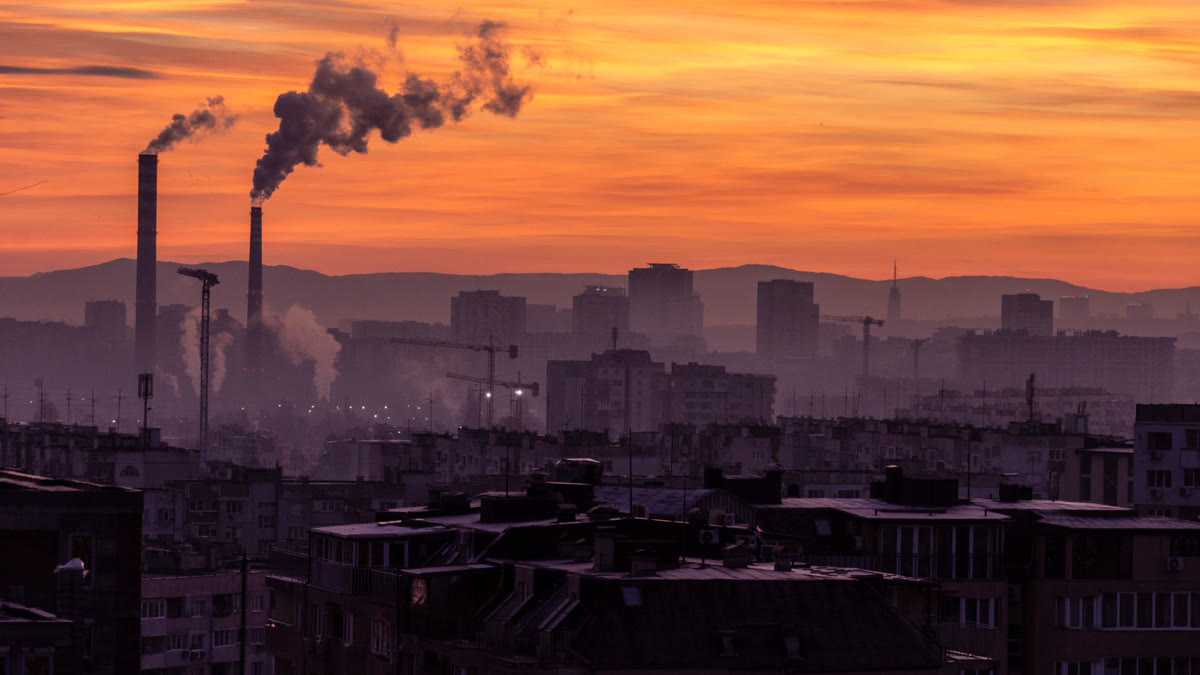
Household air pollution does not stay indoors. Smoke from homes is also a major contributor to ambient, outdoor air pollution, which is why the indoor and outdoor stories belong together. The outdoor side — what the number on an air-quality reading means, how it is calculated, and why scales differ by country — is set out in the Air Quality Index guide, and the lookup tool on this site reports the outdoor reading for a place and time.
The two stories share a cause and a remedy. The same combustion that fills a kitchen with smoke fills a neighbourhood with haze, and the same clean fuels that clear the kitchen clear the air outside it. That is one reason the clean-cooking agenda is also a climate agenda: the pollutants from polluting fuels include short-lived climate pollutants, and cutting them helps the climate as well as the household.
What this page does not do
This page does not give the disease-share breakdown of the 2.9 million deaths — which illnesses the deaths fall into — because that is clinical detail for the WHO fact sheet, not for a general-reader awareness page. It gives no per-fuel health claims, no stove recommendations and no personal advice about any household’s cooking: those are decisions for the household and its own advisers, and the guidance cited here is written for governments and programmes, not for individuals.
Frequently asked questions
What is household air pollution?
Pollution from burning solid fuels and kerosene for cooking, heating and lighting in and around the home, on open fires and inefficient stoves. It is a mix of health-damaging pollutants, and indoor fine-particle levels in poorly ventilated homes can run far above acceptable levels.
How many people are affected?
Around 2.1 billion people cook with solid fuels and kerosene. Household air pollution was responsible for an estimated 2.9 million premature deaths in 2021, including over 309,000 deaths of children under 5, and around 95 million disability-adjusted life years (WHO).
What counts as clean cooking?
WHO's Guidelines for indoor air quality: household fuel combustion set out what counts as clean at the point of use, including liquefied petroleum gas, natural gas, biogas, electricity and alcohol fuels, and biomass stoves that meet the emission targets. Kerosene is discouraged and unprocessed coal is recommended against.
Why is sub-Saharan Africa named so often?
Because the access gap is worst there: 923 million people in sub-Saharan Africa lacked access to clean cooking in 2022, and population growth has outpaced access to clean fuels.