
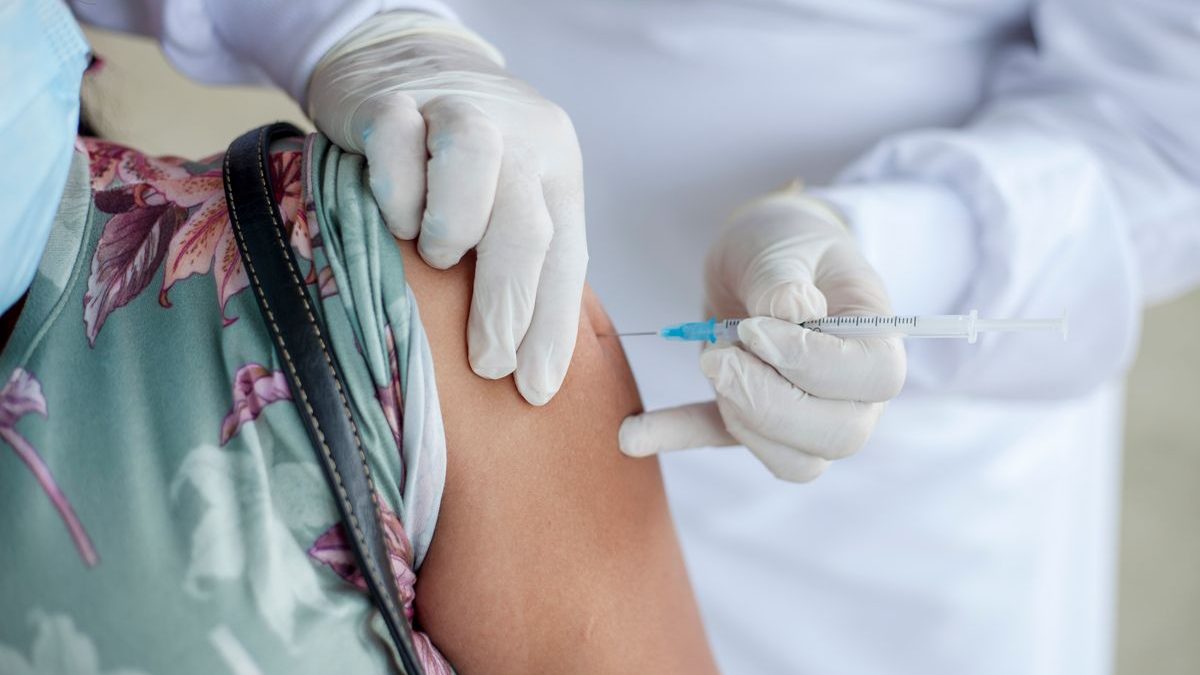
Key points
- The WHO schedule is a global framework for countries to build national schedules from — not a personal schedule (WHO, summary updated December 2025).
- From birth: BCG at birth, hepatitis B birth dose within 24 hours, and the polio, DTP, Hib, pneumococcal and rotavirus series in infancy.
- In childhood and adolescence: measles (2 doses), rubella, HPV for girls aged 9–14, and a Td booster at 9–15 years (WHO).
- In 2025, 13.5 million children received no vaccines at all, and DTP1 coverage was 90% (WHO/UNICEF WUENIC, July 2026).
Direct answer: This is the dedicated child-immunisation page. It summarises what the WHO routine immunisation schedule covers for children — from birth to adolescence — in plain language. The WHO schedule is a global framework for countries to build national schedules from, not a personal schedule (summary updated December 2025). The companion Batch 2 guides carry the full vaccinations picture: vaccinations through life, how many children are vaccinated, and the disease-by-disease guide. This page does not duplicate them; it links to them.
What the global schedule covers for children
The schedule is WHO’s summary of its position papers (Table 1, updated December 2025). From birth: BCG at birth, and the hepatitis B birth dose within 24 hours. In infancy: the polio, DTP, Hib, pneumococcal and rotavirus series. In childhood: measles (2 doses) and rubella. In adolescence: HPV for girls aged 9–14 (1–2 doses), and a Td booster at 9–15 years. The ages and intervals in the WHO summary are to assist development of country-specific schedules — national schedules differ, because they are built from local disease patterns, programme capacity, resources and policy. The same vaccine is given at different ages in different places. Your country’s official schedule is what applies, and the Vaccination Directory on this site links to the official source for each country.
How many children are reached
The coverage figures are WHO/UNICEF WUENIC estimates, published July 2026 and labelled 2025 — not 2024. In 2025, 13.5 million children received no vaccines at all (zero-dose children), and DTP1 coverage — the share receiving at least one dose of DTP-containing vaccine — was 90%. The year label matters: WUENIC figures are published in July for the previous year, and a figure labelled with the wrong year misleads. The companion guide on how many children are vaccinated carries the full coverage picture, including the trend and the zero-dose concentration; this page states the two headline figures and links to it.
Why immunisation sits in the first five years
Immunisation is one of the population-level actions WHO names against under-five mortality: 4.9 million children under five died in 2024, and the leading causes — preterm birth complications, birth asphyxia and trauma, pneumonia, diarrhoea and malaria — are largely preventable or treatable (WHO, fact sheet 1 May 2026). Vaccination prevents some of those deaths directly — measles, pneumonia, diarrhoea from rotavirus — and it sits alongside nutrition, water and sanitation, and prompt medical care in the same prevention picture. The companion guide on why the first five years matter carries the mortality figures; this page is the immunisation part of that picture, and nothing more.
What this page does not do
This page does not build a personal schedule, does not advise what any individual child should receive or when, and does not answer questions about vaccine safety for any individual. It does not carry dose or interval detail beyond the WHO summary’s ages — dose and interval calculators are deliberately not built on this site. The disease-by-disease guide covers measles, HPV, flu, COVID-19 and hepatitis B at population level, and the travel vaccinations guide covers required and recommended vaccines for travel. For a personal question, the routes are a clinician and the official schedule for the country concerned.
Frequently asked questions
Does this page tell me which vaccines my child needs?
No. It summarises the WHO global framework. Your country's official schedule is what applies — find it through the Vaccination Directory on this site.
What does the WHO schedule cover for children?
BCG and hepatitis B at birth, the infant series, measles and rubella in childhood, HPV at 9–14, and a Td booster at 9–15 (WHO, December 2025 summary).
How many children miss out on vaccines?
In 2025, 13.5 million children received no vaccines at all (WHO/UNICEF WUENIC, July 2026).