
Water and food
Five Keys to Safer Food Checklist
Tick each of the WHO Five Keys to Safer Food. The checklist does not say whether any particular food is safe.
Published 6 November 2026 · Last reviewed 7 November 2026 · Next review 7 May 2027

Tick the five keys
0 of 5 keys ticked.
Source: WHO, Five Keys to Safer Food. This checklist lets you review the five keys. It does not say whether any particular food is safe.
What each key means
Keep clean. Wash hands before handling food and often during preparation; wash and sanitise surfaces and equipment used for food.
Separate raw and cooked food. Keep raw meat, poultry and seafood apart from other foods, and use separate equipment and containers.
Cook thoroughly. Cook food thoroughly, especially meat, poultry, eggs and seafood, so it reaches a safe temperature throughout.
Keep food at safe temperatures. Do not leave cooked food at room temperature for long; refrigerate promptly and do not store food too long.
Use safe water and raw materials. Use safe water and choose fresh, wholesome raw materials; wash fruit and vegetables, and do not use food beyond its expiry date.
Frequently asked questions
Does ticking all five mean my food is safe?
No — this is a review aid only. It does not say whether any particular food is safe.
Where do the Five Keys come from?
The World Health Organization (WHO).
More in this hub
Keep going

Emergency Preparedness Checklist
Enter household size and days of supply to see general Ready.gov planning quantities for water and food.

After you land: symptoms to watch
After you land: the symptoms to watch in the weeks after travel, what to do, and why telling a clinician about travel history matters.
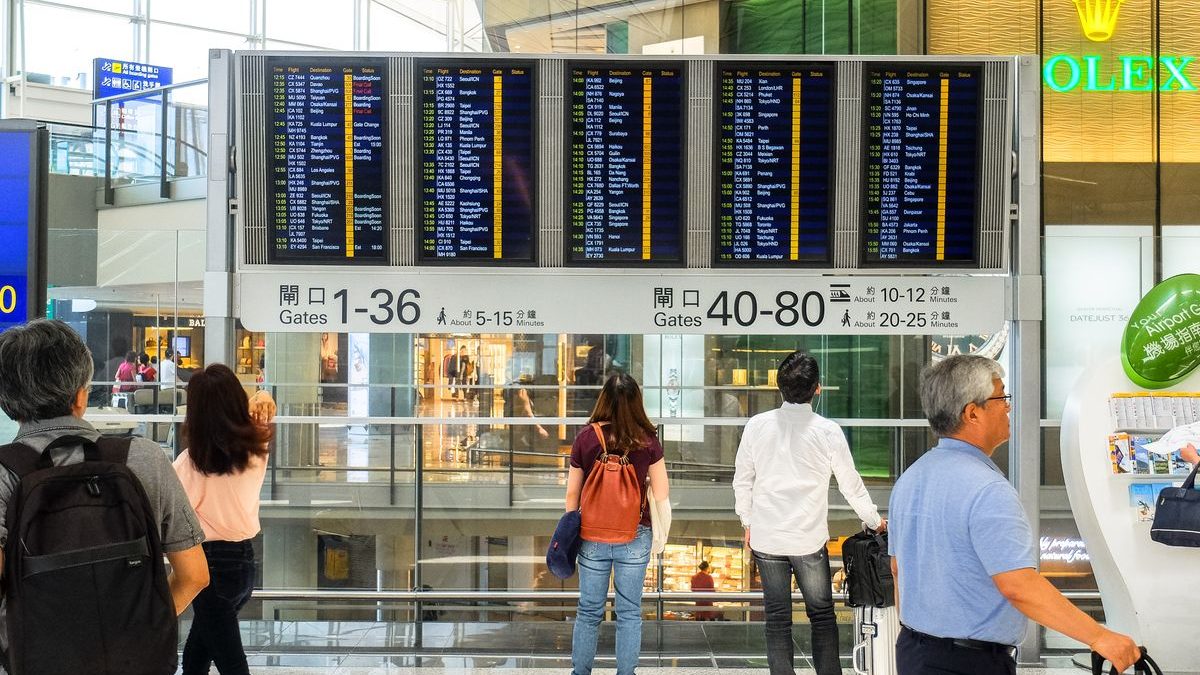
Airport health: East Asia
Airport health awareness for East Asia: the 14 busiest airports in China, Japan, South Korea and Hong Kong, the IHR framework, and where to check.