
Data
Physical Activity Recommendations Explorer
Pick an age group to see the published WHO physical activity recommendations for that group. The recommendations are general amounts for a population group, not a personal exercise plan, and this tool gives no personal advice.
Published 12 November 2026 · Last reviewed 12 November 2026 · Next review 6 May 2027
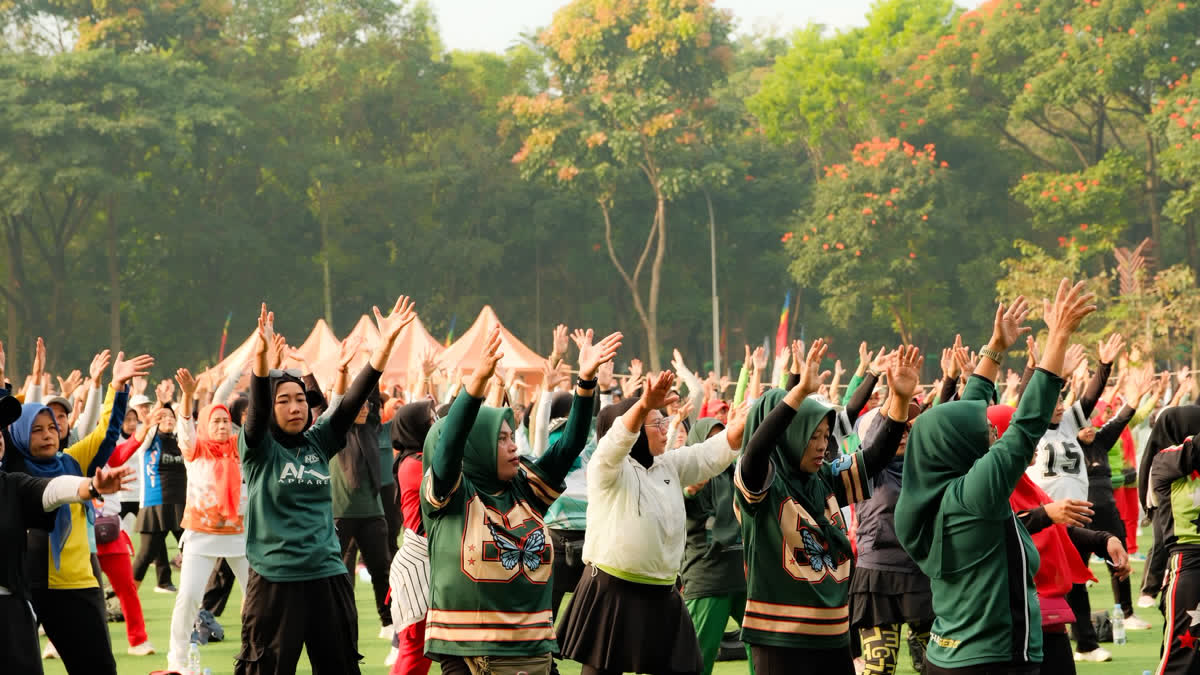
Choose an age group to see the WHO recommendations
The recommendations come from the WHO Guidelines on physical activity and sedentary behaviour (2020), as summarised on the WHO physical activity fact sheet. Nothing is stored and nothing leaves your browser.
Children and adolescents, aged 5 to 17
- An average of at least 60 minutes a day of moderate-to-vigorous-intensity physical activity, mostly aerobic.
- Vigorous-intensity aerobic activity, and muscle- and bone-strengthening activity, on at least 3 days a week.
- Limit sedentary time, particularly recreational screen time.
The 60 minutes is an average across the week: some days can be more active and some less, and the average is what the recommendation describes.
These are the published WHO recommendations for each age group. They describe general amounts for a population group, not a personal exercise plan, and this tool gives no personal advice. If you have questions about physical activity, talk with your health care provider.
The recommendations by age group
Children and adolescents, aged 5 to 17: an average of at least 60 minutes a day of moderate-to-vigorous-intensity physical activity, mostly aerobic, with vigorous-intensity aerobic activity and muscle- and bone-strengthening activity on at least 3 days a week, and limited sedentary time, particularly recreational screen time.
Adults, aged 18 to 64: 150 to 300 minutes of moderate-intensity aerobic activity a week, or 75 to 150 minutes of vigorous-intensity aerobic activity a week, or an equivalent combination of the two, plus muscle-strengthening activity on 2 or more days a week, and limited sedentary time.
Older adults, aged 65 and older: the same aerobic and muscle-strengthening recommendations as other adults, plus multicomponent physical activity that emphasises functional balance and strength training on 3 or more days a week, to enhance functional capacity and help prevent falls.
What the recommendations do not say
The recommendations describe general amounts for an age group. They are not a personal exercise plan, they do not take any individual’s circumstances into account, and they do not say what any particular person should do. WHO also publishes recommendations for pregnant and post-partum women and for people living with chronic conditions and disabilities, which this tool does not cover.
WHO’s own figures show how far the world is from these amounts: 31% of adults and 86% of adolescents do not meet the recommended levels, and one in four adolescents aged 11 to 17 reported no active day in the previous week — about 240 million young people.
Frequently asked questions
Does this tool tell me how much exercise I should do?
No. It shows the published WHO recommendations for an age group. It does not assess any individual and gives no personal advice.
Where do the numbers come from?
The WHO Guidelines on physical activity and sedentary behaviour (2020), as summarised on the WHO physical activity fact sheet.
Why are there only three age groups?
The tool covers the three general age groups in the WHO guidelines. WHO also publishes recommendations for pregnant and post-partum women and for people living with chronic conditions and disabilities.
More in this hub
Keep going
Sleep Duration Calculator
Enter a bedtime and a wake time to work out the hours of sleep, against the published ranges by age.
Published 12 November 2026 · Last reviewed 12 November 2026

Antenatal care and why it matters — a guide
WHO recommends eight antenatal contacts, the first within 12 weeks. What antenatal care is, and why the four-visit figure is out of date.
Breastfeeding and first foods — what to know
Only about 47% of infants are exclusively breastfed. WHO's feeding recommendations and the global malnutrition figures, in plain language.